

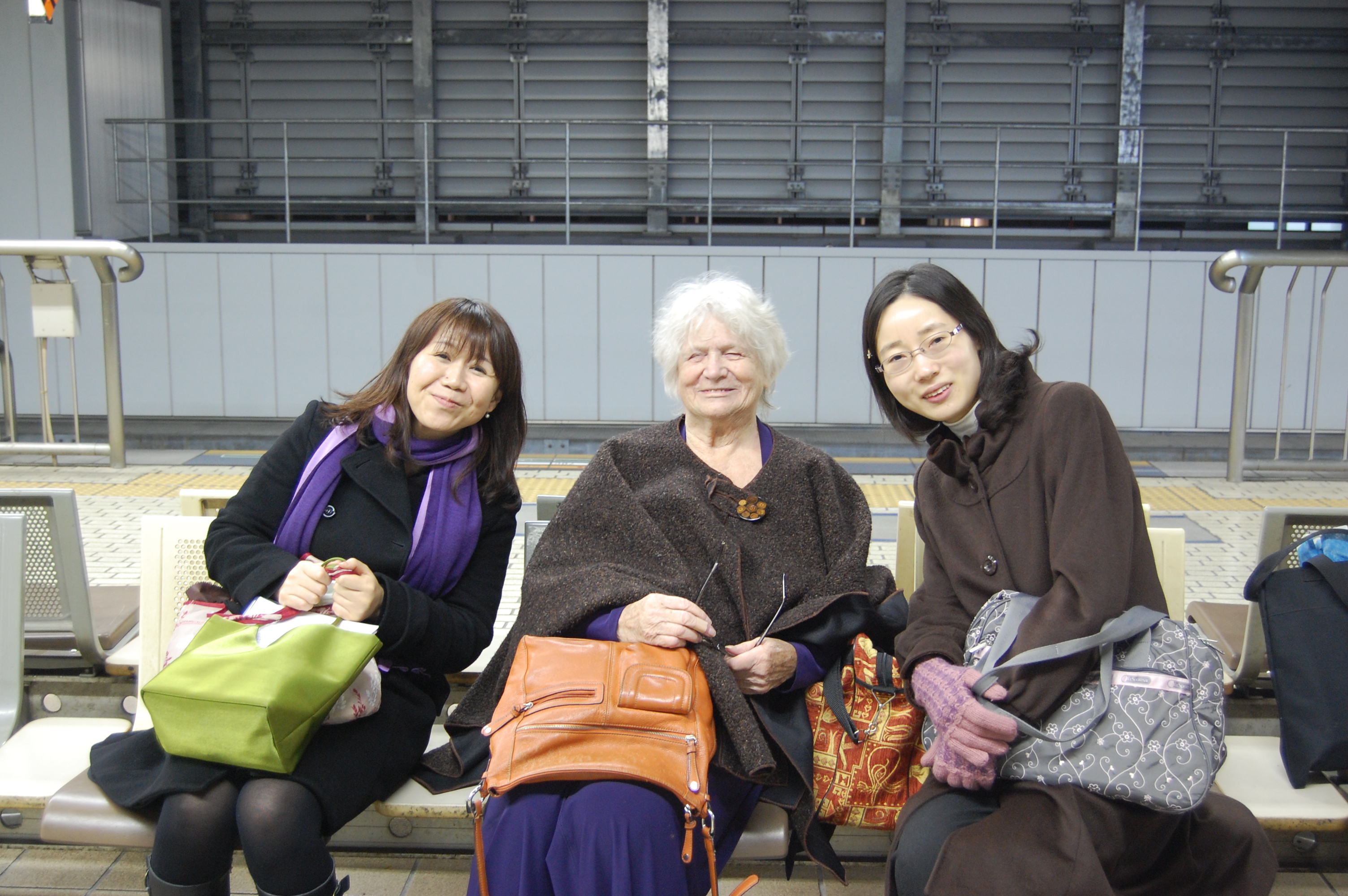
I survived our ten day trip to Japan, thanks to my two sons and granddaughter and to our generous hosts. We had a great time. People in Japan were extraordinarily kind and gracious to us. I have returned home with a new appreciation for all the bowing back and forth. I rather liked it!
The sights were amazing—from ancient to futuristic standing side by side. At our hotel room in Tokyo we looked out of our room onto Mount Fuji. At sunset it was like a fairy tale. We ate and ate and ate—wonderful food. We stopped at the City Museum in Nagoya to see my family’s one-time wall mural by Diego Rivera from the controversial Rockefeller Center fiasco. It is Diego’s redoing of the central and most controversial panel—with Lenin, Marx and Engels leading the way alongside of lots of warring communists. Stalin, with bloody eyes, looks down at a smiling Bukharin (whom he subsequently murdered), and across from a stalwart looking Trotsky (who met the same fate), and includes two women (Rosa Luxemburg and Clara Zetkin) and more. We enjoyed a brief talk with the museum’s curator who bought the mural from us more than fifteen years ago.
We went to museums, pagodas, temples, shrines, markets, gardens and got in three speaking engagements and one school visit. I was particularly entranced by the Japanese-style gardens which were beautiful even—or especially?—in the winter. I wish I could reproduce the style in Hillsdale.
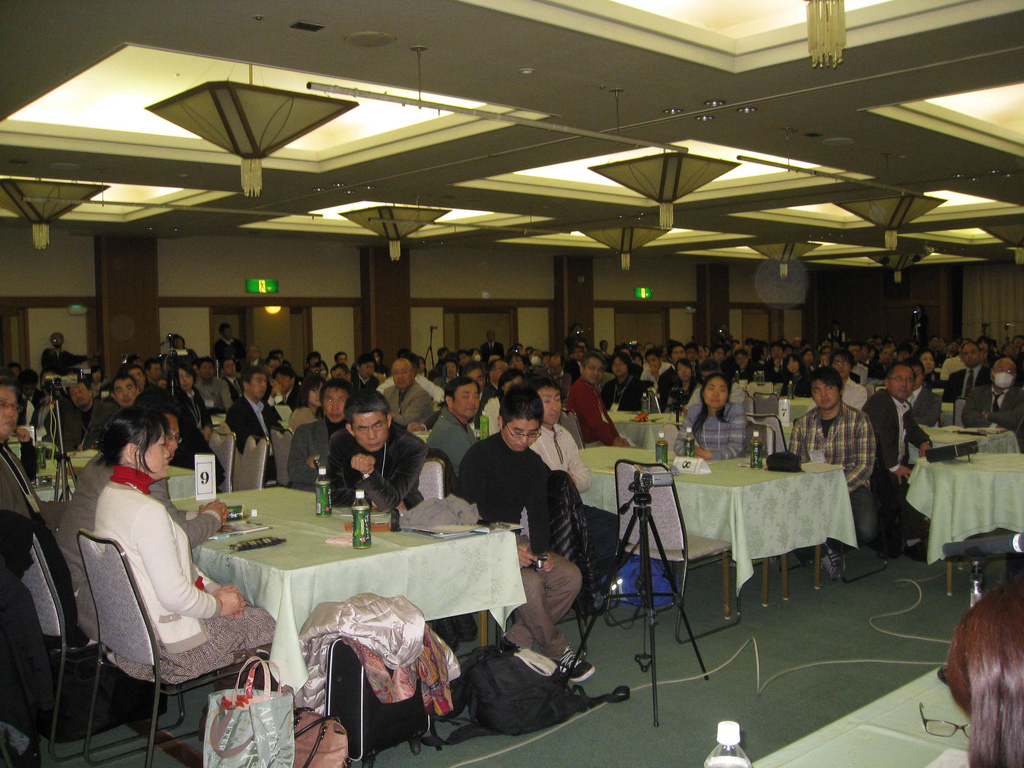
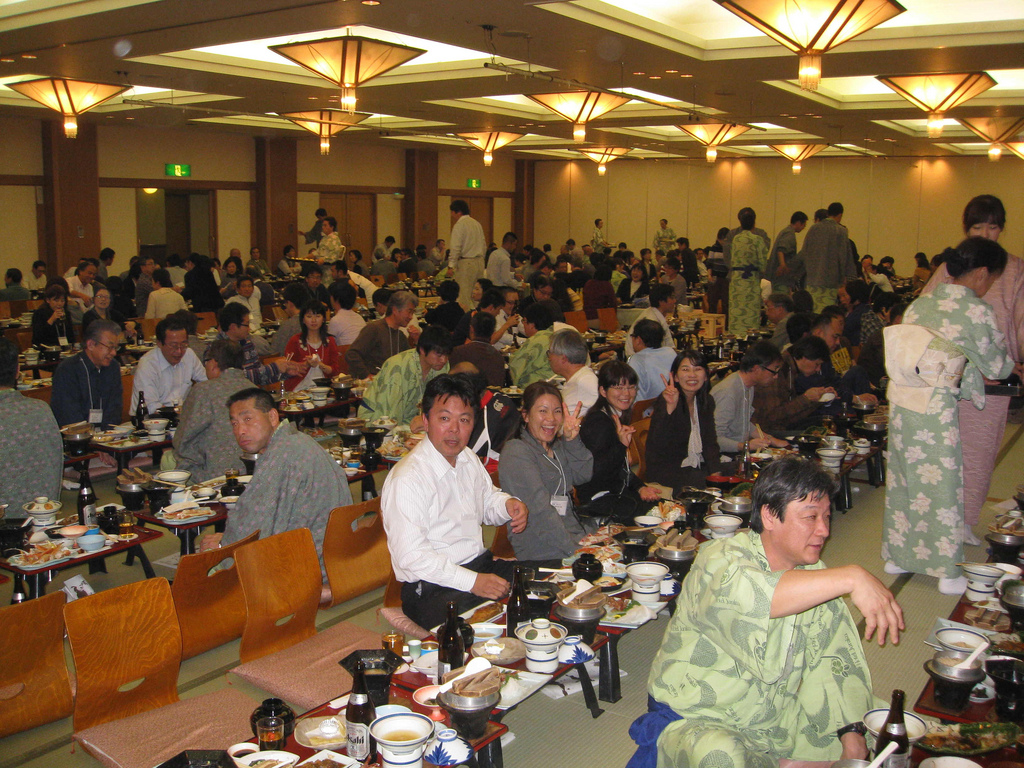
Our trip coincided with school holidays so we just squeezed in one visit to the national (vs. local) public secondary school connected to Tokyo University. But we heard a lot from a lot of people, although not nearly what I had hoped to “see” with my own eyes. I spent two days at a biannual conference arranged by Prof. Manabu Sato in Ito City where Nick and I spoke to 400 principals, teachers, and university faculty about schooling and democracy. We spoke also at Tokyo University and at Kyota. (Meanwhile my son Roger hosted a freestyle Frisbee gathering for 30-40 Japanese players, and Lilli went shopping.)
My son reminded them that it was not so long ago when teachers and politicians in America were told that Japanese schools were the future. Why can’t we do as they do, we were asked? Before that it was Russian schools. And since then it’s been Singapore and now Finland. We were told Japanese children were obedient and hard working, although listening to the teacher talk last week it was clear that they were having virtually all the same problems we were and moving in the same direction we are. They found our description of Japanese education amusing.
There is a lot of educational turmoil there as here, as two “factions” battle for the future: those wanting a more rigid, centralized, exam-driven top-down approach and those who believe the Japanese have to move in a progressive direction if they are to become innovators as well as followers—economically and politically.
The one school I visited was hard to judge since it was both a special school and it was the first day back from vacation! The most impressive thing was how quickly kids moved desks around to match their various pedagogical styles. Learning English is especially tough, as would learning Japanese be for us. Class sizes are large—as high as 40 in the two classes we visited—a math class and an English language class. There is a very weak teacher’s union and it is getting weaker.
For example—does this headline sound familiar? “Osake education board opposes governor’s intervention in school” Sept 15, 2011, from Japan Press Weekly. “The proposed ordinance is outrageous” says one University professor and Osake Board member. Another, Ogo Masura condemned the Governor’s plan to dismiss teachers who refuse to follow the same order three times, or receive a low evaluation twice.
I realize I don’t really explain the Osaka issue. It’s part of a new conservative drive to strengthen nationalism and pride in Japan etc. by requiring all teachers to stand and sing the national anthem and to honor the flag, etc. which many teachers (and citizens) have not done since WWII. It is part, in short, of another political struggle gong on in Japan.
A good many US books on education are translated into Japanese, but not many Japanese books make it into English. I’m hoping someone will undertake changing this. I would love to read my host, Prof. Sato’s books, for example. His followers here in Japan view him much as I do Dewey, Sizer, Ravitch, Perrone and Weber.
I am hoping we stay in touch with the many people we met, and maybe even get to make another visit when schools are actually in operation. You know me—I want to see some kindergartens.
Deborah
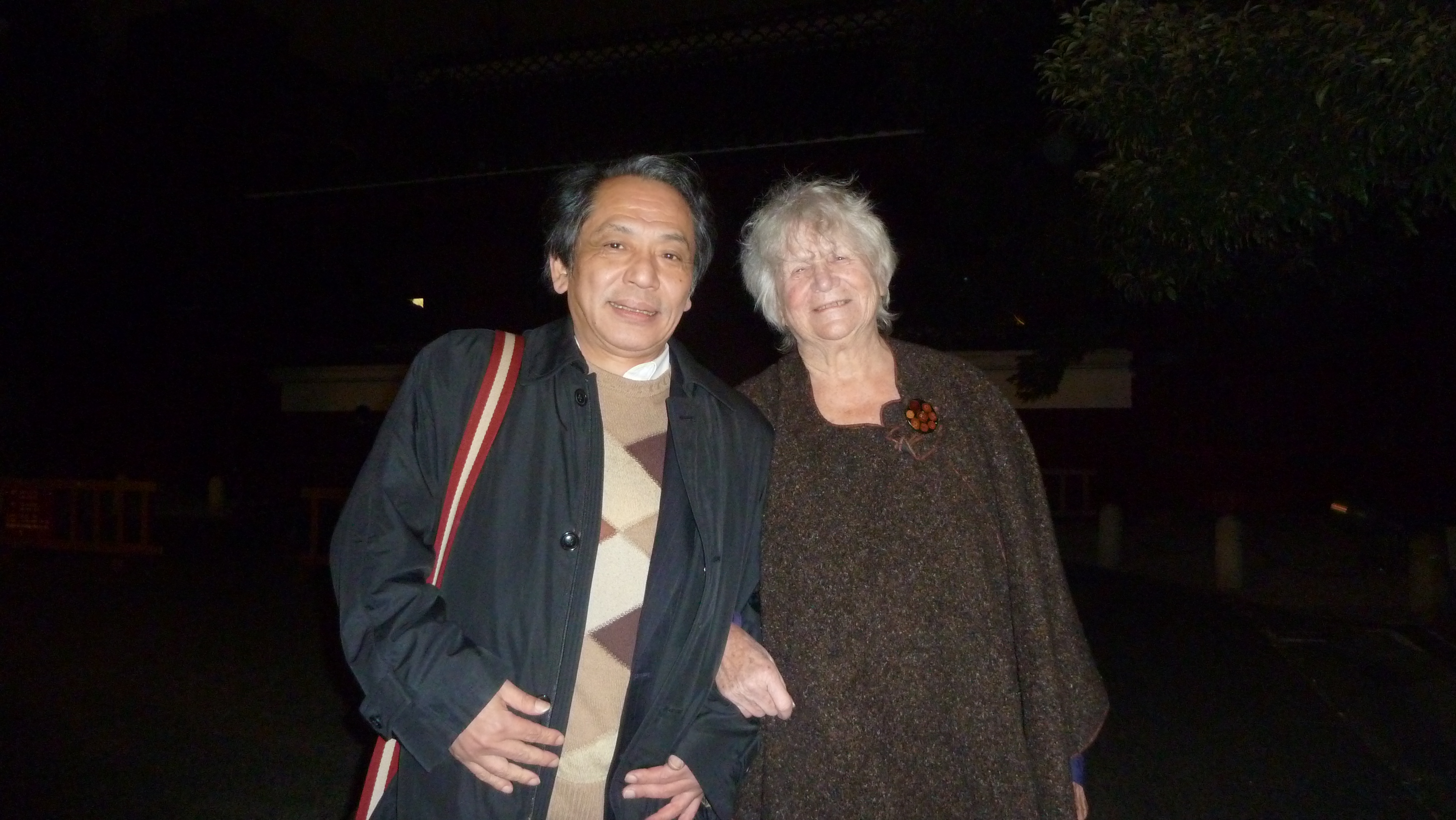
Debbie with Sato after her talk at Tokyo University

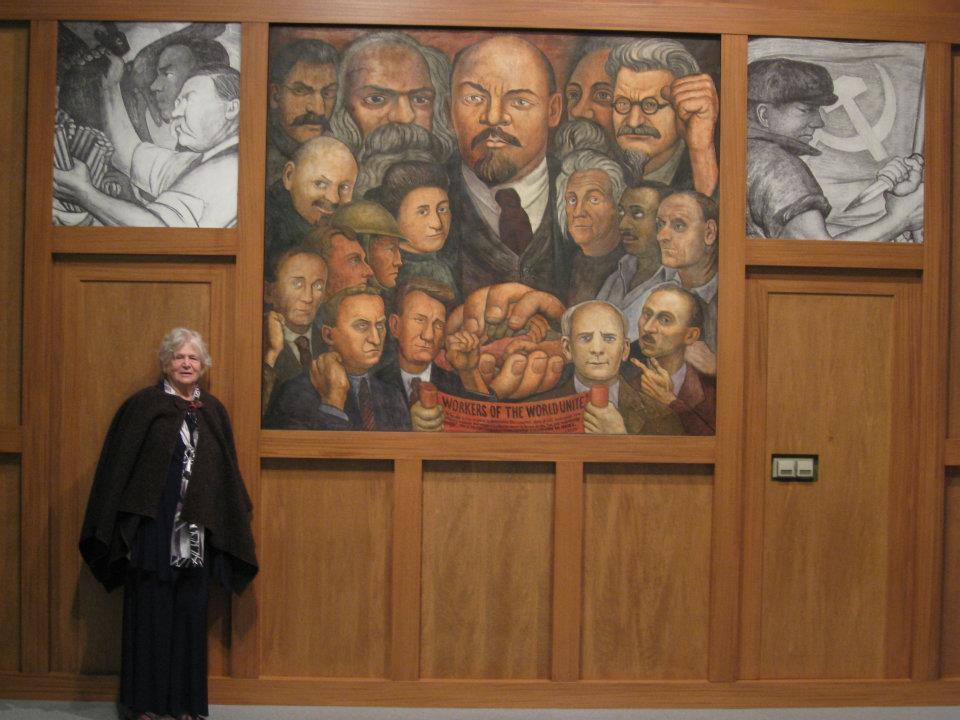
Debbie with the Diego Rivera Mural displayed in Japanese Museum. The mural was once owned by her parents.
Filed under: 2012 Posts | 2 Comments »


 Deborah Meier on Education